Sideline Stories
The Coaching Carousel: Brian Flores Under the Microscope After Jets Knock on His Door

So, here we are folks! Brian Flores, the defensive mastermind of the Minnesota Vikings, is under the spotlight because the New York Jets decided to send out an interview request like it’s a Tinder swipe! Last year, nobody wanted to talk to Flores—he was like that friend at the party no one wanted to dance with. Fast forward to now, and the Jets are interested. Let me tell you, it’s like being the last slice of pizza at a party, suddenly everyone wants a piece. The Jets, fresh off firing their coach, are on the hunt, and they’re casting a wide net—requesting interviews like they’re collecting Pokémon! If Flores plays his cards right, he could be the head coach of a team that’s one step away from a wild card playoff game. But hold up, the Vikings aren’t just rolling over. They’re gearing up for a playoff battle, and Flores’s schedule is tighter than a pair of skinny jeans after Thanksgiving dinner. And let’s not forget the drama! Flores was previously involved in a lawsuit against the Dolphins, claiming they bribed him to lose games. It’s like a bad episode of a reality show! Meanwhile, his fellow coaches are also catching the eye of other teams, making sure the Vikings coaching staff is as popular as a cat meme on the internet. Who knows what will happen next? Stay tuned, because this coaching saga is just getting started. For more on the Jets’ search for a coach, check out [this article](https://heavy.com/sports/nfl/new-york-jets/) and [here](https://www.nfl.com/news/jets-interview-candidates) for the latest updates!
To read the full article click here


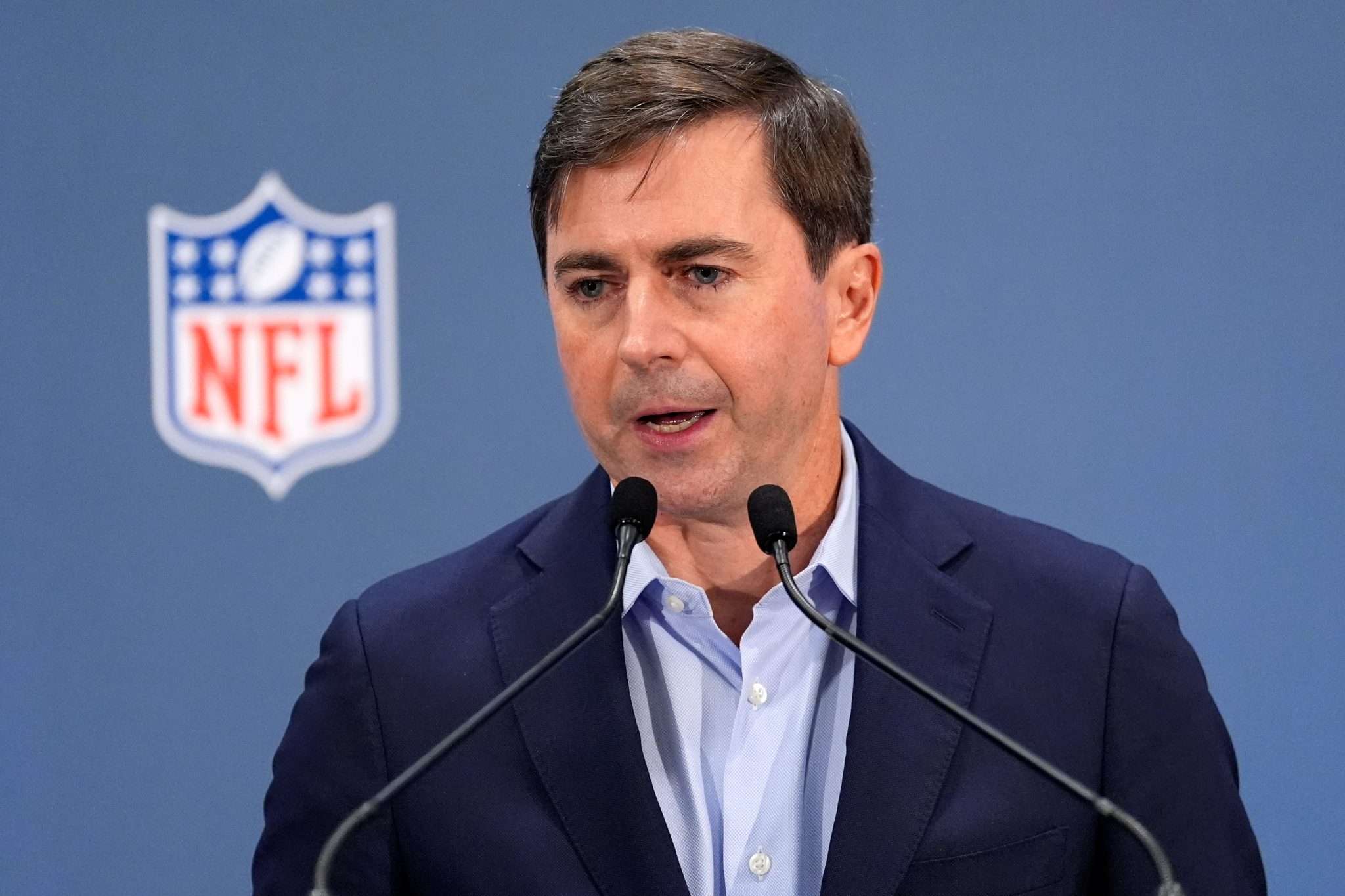
The Pittsburgh Steelers’ first big international trip to Paris was supposed to be a celebration: a marquee NFL game, a new market, a city full of football-curious fans, and the usual travel-week marketing machine humming along in black and gold. Instead, the conversation around the team has tilted hard toward security, logistics, and one very visible cancellation that has fans arguing about who made the right call — and who’s passing the buck.
At the center of it is the Steelers House fan event, which was canceled after concerns tied to unrest in the neighborhood where it was set to be held. The team’s Paris plans were already unfolding under the shadow of civil unrest in France, and the NFL had already said it was proceeding with heightened security for the Steelers-Saints game at Stade de France. That left fans with a messy but familiar modern sports question: when the league says the game is on, but the team shuts down a side event, who exactly is in charge of making people feel safe?
A fan event gets pulled, and the optics get ugly fast
The cancellation itself is the easy part to understand. If an event space is close to an area where protests or unrest could create problems, the safest move is often to shut it down before it becomes a headache bigger than the party was ever worth. That’s the practical explanation.
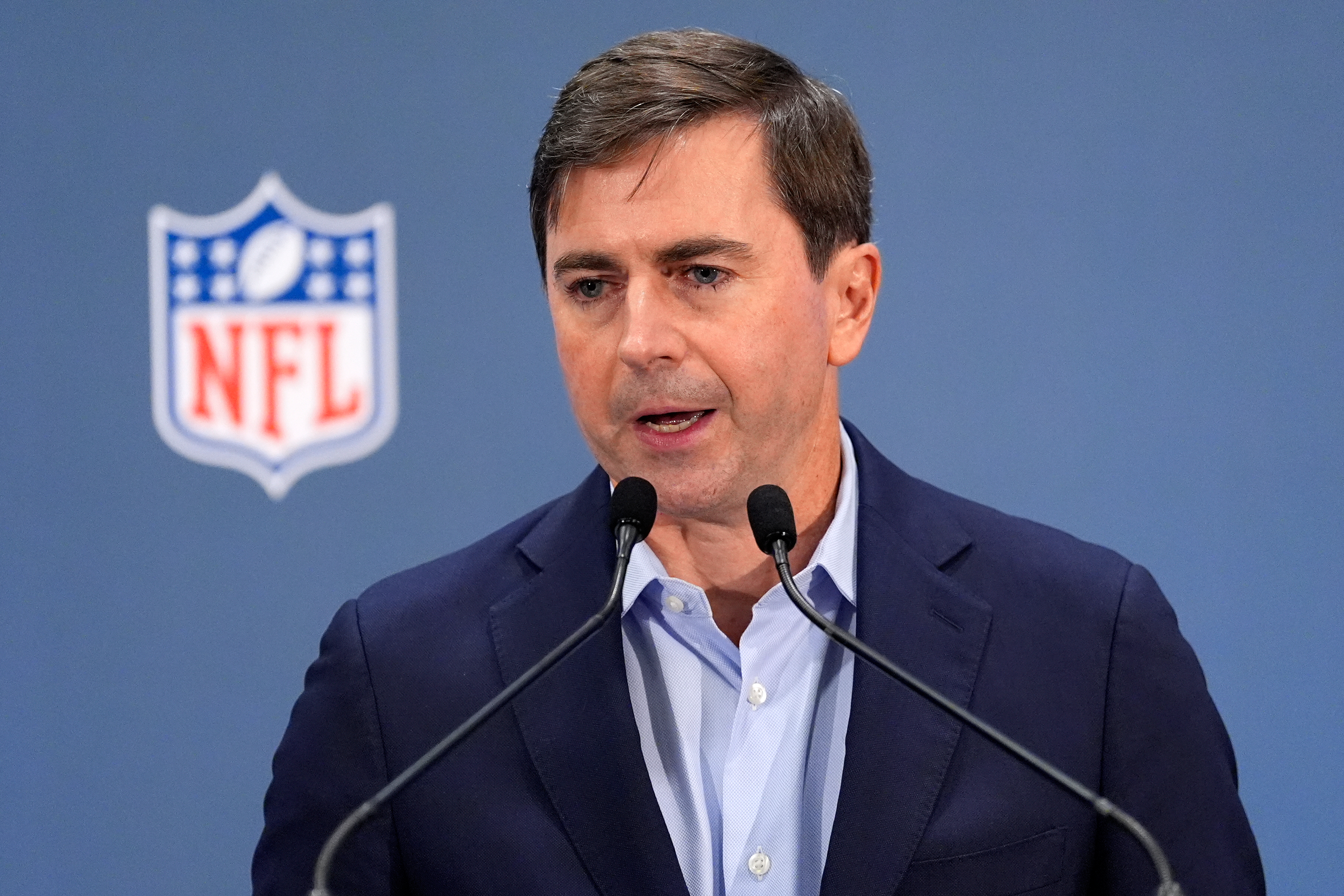
The problem is that fans don’t live in the practical explanation. They live in the timeline, the headlines, and the feeling that somebody is either overreacting or under-preparing. Once the Steelers House event was scrapped, the debate moved instantly from “What happened?” to “Why is the NFL still going ahead with its plans while this got canceled?” That’s where the whole thing started to feel less like a simple scheduling adjustment and more like a referendum on judgment.
Some fans are blaming the league. Some are blaming the Steelers. Some think both sides should have seen the situation coming and built a better plan from the beginning. And because it’s the internet, the discussion has plenty of heat and very little patience.
Why Paris changed the tone of the trip
The Steelers are not just visiting another city for a random promotional stop. This is tied to the NFL’s first regular-season game in France, and that matters. The league wants Paris to feel like a landmark moment, the kind of international showcase that makes the NFL look bigger than any one stadium or time zone. The reality on the ground has made that harder.
Recent unrest in Paris has raised security concerns around the city, and the NFL has said it expects the game to proceed with heightened measures. That creates two parallel truths: the league is serious about playing the game, and the environment is serious enough that team organizers felt the need to shut down a fan event. Both can be true at the same time, which is exactly why the reaction has been so sharp.
For fans, though, the optics are what stick. An international game is supposed to feel polished, organized, and a little bit glamorous. A canceled fan event makes the whole operation look brittle. It suggests that the league’s big global splash might be colliding with real-world conditions faster than its PR strategy can keep up.
What the reaction says about the Steelers’ brand abroad
The interesting part here is that the frustration is not really about football. Nobody is suddenly re-litigating whether the Steelers can block a blitz because a Paris fan event got scrapped. This is about trust. Fans want to believe the team and league know what they’re doing when they take the show overseas.
That’s why the reaction has been so divided. Some supporters see a responsible safety call. Others see a mixed message: the game stays on, the league pushes forward, but the fan experience gets trimmed back. In other words, the football remains grand while the supporting cast gets told to stay home.
International trips always come with a little chaos, but this one is unusual because the chaos is not logistical trivia. It’s tied to public safety, city conditions, and the NFL’s determination to keep its Paris debut intact. That gives every decision extra weight. A canceled autograph session or fan rally would normally vanish into the background. Here, it becomes part of the story.
The bigger takeaway
The Steelers’ Paris trip is still happening, and the game itself remains the main event. But the cancellation of the fan gathering has already changed how the week feels. Instead of a clean international showcase, it’s become a case study in how quickly a glamorous football trip can turn into a security and perception issue.
That may not be the script the league wanted, but it is the one it has now. And for the Steelers, the takeaway is simple: once you take your brand overseas, every decision gets judged like it was made on center stage. In Paris, even the side events are no longer side events.
The NFL doesn’t just own Sundays anymore. It owns the argument about Sundays, too.
One day the conversation is about who gets the next marquee booth assignment. The next, it’s about whether a fresh face can move eyeballs, whether an alternate telecast can pull a meaningful audience, and whether a big enough matchup deserves to be flexed into a brighter TV window. That is the game inside the game, and right now the league’s media business is doing what it always does best: making everybody chase the same audience from different angles.
The biggest headline in that swirl is JJ Watt’s move to CBS as the network’s lead game analyst. That is a substantial hire for a network that has spent years trying to make its NFL package feel premium, authoritative, and worth appointment viewing. Watt checks a lot of boxes. He is widely recognizable, he has instant credibility from his playing career, and he brings the kind of name recognition broadcasters love because it gives them a better chance of being part of the conversation before kickoff and after the final whistle. In a sport where the telecast is as much a weekly product as the game itself, star analysts are not just nice extras. They are part of the packaging.
That matters because the NFL has become a giant attention market. Every network wants the biggest possible slice, but it is not only competing with rival games. It is competing with alternate feeds, adjacent studio shows, and all the different ways fans now consume football. A lead analyst is no longer just there to explain coverages and spot a blitz. The person in that chair is part of the brand identity of the broadcast.
And then there is the viewership side of the story, which is where the league’s absurd scale really shows up. Pat McAfee’s debut on Monday Night Football became part of the broader ratings conversation because the audience split told a familiar NFL story: the main telecast still draws the huge number, but alternate presentations can still attract enough curiosity to matter. When a main ESPN/ABC audience sits alongside a smaller ESPN2 alt-cast and a competing NFL Network presentation, it underscores how the league has turned one game into several products at once. That is not a side note. That is the business model.
The numbers are the point. Football is still television’s heavyweight champ, and the networks know it. Even when an alternate broadcast does not outdraw the main feed, it can still perform as a useful proof of concept: there is a segment of the audience willing to sample a different style, a different voice, a different way of watching. For the league, that is gold. For the broadcasters, it is a reminder that the audience is big enough to fragment and still be valuable.
That is also why the schedule chatter around Browns-Steelers feels so familiar. When a game draws enough interest to be discussed as a flex candidate, it says something important about the NFL calendar: the league is constantly trying to place the right matchups in the best possible window, not just for competitive balance but for maximum television value. If a game has national interest, a rivalry edge, or the kind of built-in tension that makes people plan around it, it becomes a candidate for a brighter stage.
In that sense, the Browns-Steelers discussion is less about one specific game and more about how the NFL treats its inventory. High-interest matchups are not just games; they are content assets. The league and its partners are always asking the same question: what will people actually stop and watch? The answer usually involves recognizable teams, storylines that travel, and windows that don’t get buried under weaker competition.
Put all of this together and you get the modern NFL media machine in miniature. CBS wants a big-name analyst to strengthen its booth and sharpen its identity. ESPN wants its Monday package to feel like an event even when it experiments with alternate presentations. The league wants flexibility in the schedule so it can place its best games where they can do the most damage in the ratings. Everybody is trying to capture the same finite thing: attention.
And the remarkable part is that the NFL keeps getting better at monetizing that attention without ever looking like it has run out of ways to do it. It can sell you the game, the alternate feed, the studio show, the flexed window, the star analyst, the analytics angle, the rivalry angle, the whole thing. That is why a broadcaster hiring JJ Watt, a ratings comparison for an alt-cast, and talk of flexing a game all belong in the same conversation. They are different pieces of the same machine.
That machine is only getting louder. The NFL does not just dominate the screen. It keeps finding new ways to sell the screen itself. And as long as there are new analysts to hire, new formats to test, and new matchups to shove into better windows, the league’s media business will keep doing exactly what it has done for years: making football feel bigger than the sport and somehow still leaving room to grow.
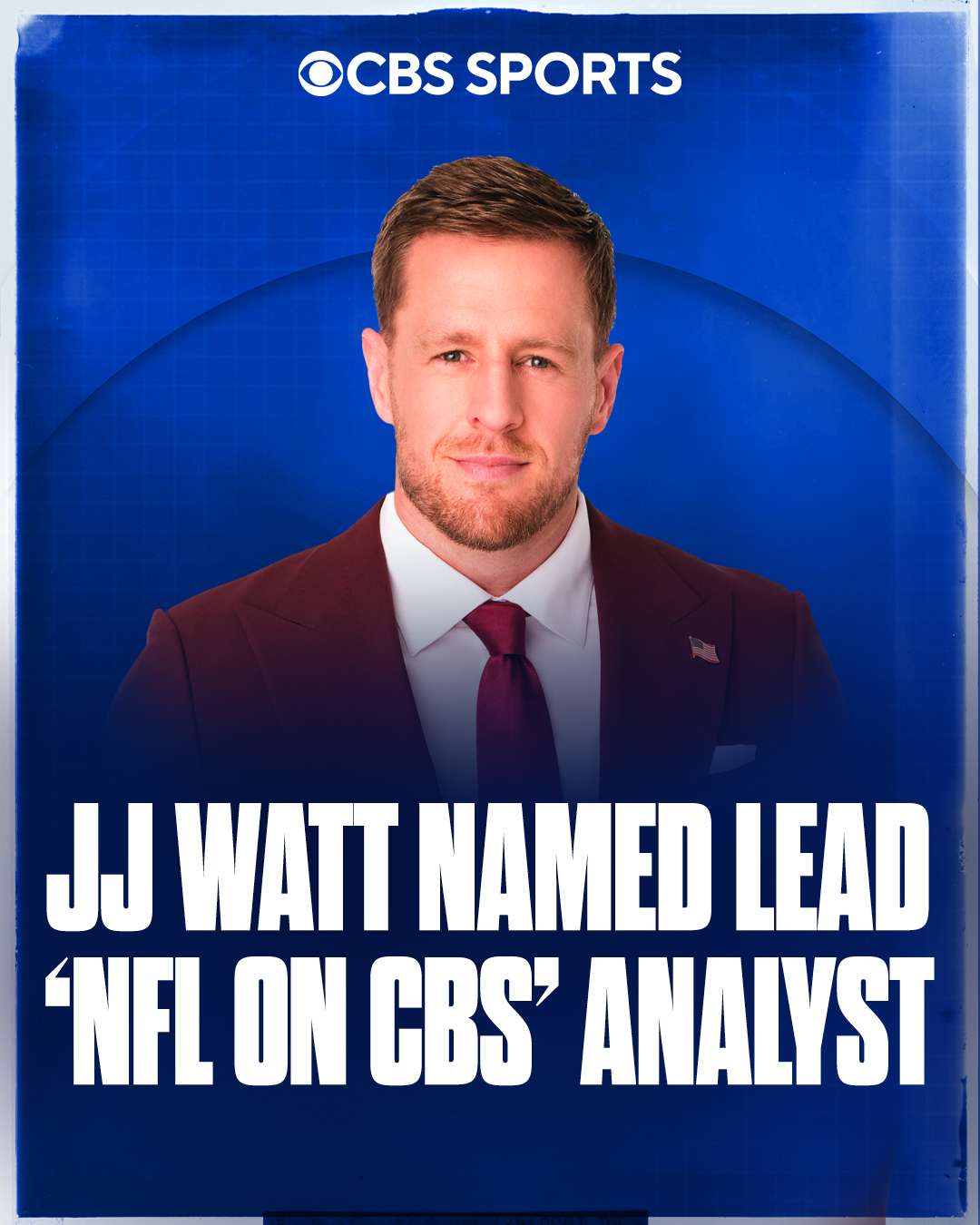
CBS didn’t just stop the musical chairs in its NFL booth. It picked a chair, bolted it to the floor and slapped JJ Watt’s name on it.
The network has agreed to a multi-year deal keeping Watt as its lead NFL game analyst, cementing the move that pushed him to the top of CBS’s broadcast hierarchy earlier this season. That means Watt will remain alongside Jim Nantz and Tracy Wolfson on CBS’s premier game crew, the trio entrusted with the network’s biggest weekly showcases and, eventually, Super Bowl LXII in Atlanta.
For a network like CBS, this is not a small housekeeping note. It’s a statement of intent. The top analyst chair is one of the most visible jobs in sports television, and CBS is making it clear that Watt isn’t just filling in while the company figures things out. He’s the guy. The full-time answer. The one the network wants carrying its biggest games when the stakes are highest and the audience is largest.
Why this matters for CBS
The lead broadcast team is the face of a network’s NFL coverage. It’s not only about calling touchdowns and third-and-long. It’s about tone, credibility, chemistry and how a booth handles the pressure that comes with marquee games. CBS has now locked Watt into that role, which gives the network stability around a team that already carries a lot of weight with viewers.
The Jim Nantz piece matters here, too. Nantz remains the kind of trusted voice networks build entire event coverage around, and Wolfson is one of the best in the business at connecting the booth to the game environment. Watt gives that crew something different: a recently retired superstar with elite playing credibility, real personality and enough football IQ to translate what’s happening without sounding like he’s reading it off a telestrator cue card.
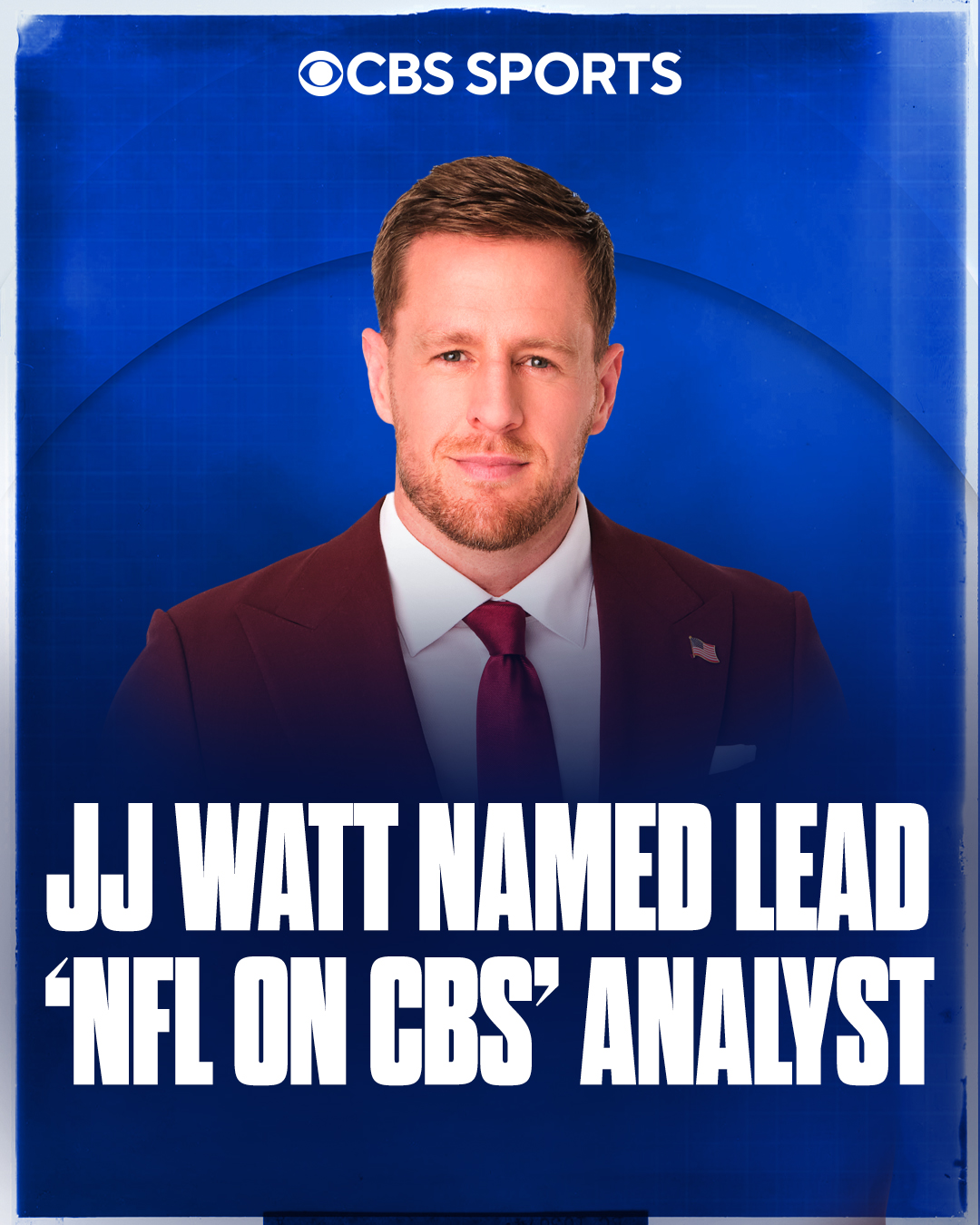
That combination is what makes the move so interesting. CBS isn’t just filling a former player seat. It’s building a booth with a very specific identity: polished, high-level and built for big-game television.
Watt’s rise has been fast — and pretty obvious
Watt joined CBS in 2023 as a studio analyst, then moved into game coverage before earning the network’s top booth assignment. That progression suggests CBS liked what it saw quickly. In a media world where networks often spend years auditioning ex-players for a role they may or may not be suited for, Watt has climbed the ladder with unusual speed.
That speed also tells you something about how the industry views him. Plenty of retired stars can break down a play. Fewer can do it with rhythm, confidence and the kind of presence that makes a long broadcast feel lighter rather than heavier. Watt’s appeal is that he brings authority without sounding stiff. He can be sharp without sounding like he’s trying too hard to be the smartest person in the room. That’s a rare sweet spot.
And in the booth, rare is valuable.
CBS clearly believes Watt has already shown enough to merit a longer runway. The new deal says the network is done treating him like a promising experiment and is ready to make him part of its long-term identity on NFL Sundays.
The Super Bowl clue is the biggest tell
The detail that stands out most is the one about Super Bowl LXII in Atlanta. Networks do not casually hand out Super Bowl assignments. Those are reserved for the booth they trust most, the crew they believe can carry the biggest broadcast in American sports television.
So when CBS locks in Watt for that job, it says two things at once. First, the network sees him as ready for the highest stage. Second, it sees this arrangement as more than a temporary solution to a staffing change. This is the company drawing a line and saying: this is our top team, and this is where we’re headed.
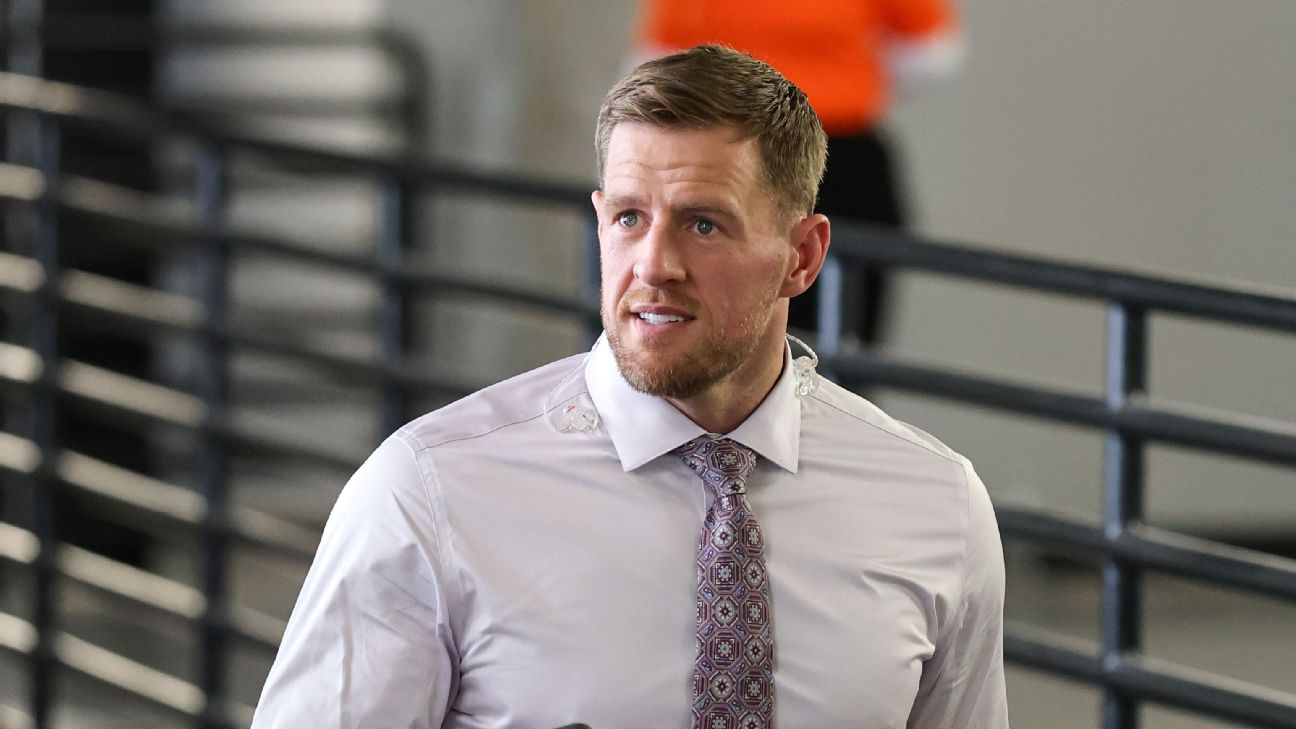
That’s especially notable given how much attention the top booth always draws. Fans notice immediately when a network changes the voice of its biggest games. They notice even more when the replacement actually sticks. CBS isn’t just smoothing over a transition here. It’s establishing a new normal.
The bottom line
For Watt, the deal is validation. He made the jump from dominant player to serious broadcaster faster than most people do either one. For CBS, it’s a sign that the network believes its future at the top of NFL coverage is already in place.
That’s the real takeaway: this isn’t a “we’ll see how it goes” move anymore. CBS has seen enough, and it’s betting its biggest games on Watt’s voice.
That’s a pretty good vote of confidence — and a pretty loud one, too.

 Featured2 years ago
March Tourney: Big Money ($3 Billion!)

 Sports Gambling News2 years ago
Micah Parsons Dreams of a $40 Million Contract: The Key to His Happiness!

 General Sports News2 years ago
The Biggest World Series Favorites Since the Legendary ’02 Yankees
- Featured2 years ago
New York Jets’ Hilarious Attempt to Land Mike Vrabel Ends in Patriots’ Embrace

 Sports Gambling News2 years ago
Scottie Scheffler: The Betting Favorite at The Player

 Sports Gambling News1 year ago
Marco Penge’s Epic Comeback: From Betting Ban to Euro Tour Glory!

 NFL1 year ago
Jordan Addison’s Suspension

 General Sports News1 year ago
Trevor Lawrence Stuns Patrick Mahomes in a Monday Night Showdown